
Cluster Pays Slots: Explained With Real Session Data
Cluster pays slots replace traditional paylines with a simple rule: land 5 or more matching symbols touching each other anywhere on the grid, horizontally or vertically and you win. There’s no fixed line structure to track, just clusters forming wherever they happen to land. Most cluster pays slots pair this with a tumble or avalanche mechanic. The winning cluster clears off the grid, new symbols drop in to fill the gaps, and if those new symbols form another cluster, you win again within the same spin. This chaining is what gives cluster slots their distinctive feel one decent spin can snowball into something much bigger as the cascades stack up. Grids tend to run larger than standard slots 5×5, 6×7, even 7×7 since more surface area means more opportunities for clusters to form and chain. Multipliers are usually built into the tumble sequence itself, climbing with each successive cascade. And because there’s no payline grid to constrain design, providers often stack extra mechanics on top exploding wilds, multiplier grids, underlay symbols since the open canvas gives more room to build something distinctive.
What Cluster Pays Actually Feels Like From Our 100 Spins Sessions
Every guide explains cluster pays theoretically. Here’s what our documented 100 Spins Experience sessions revealed across three cluster pays slots we’ve reviewed. On Candy Rush (96.58% RTP, low volatility, 1 in 2.83 hit frequency) our session ended at $123.20 from a $100 start a net gain of $23.20 with 4 Multiplier Underlay triggers and a dead spin streak of just 3. No bonus triggered, but the frequent base game hits kept the session active throughout. On Spark of Creation (96% RTP, high volatility rated 7/10) the session told a completely different story ending at $281.20 from $100, a net gain of $181.20, with the bonus triggering and a biggest single win of $142.20. The CollectR mechanic’s compounding creature system meant once the bonus landed, value escalated fast. This is the practical lesson cluster pays slots teach better than almost any other mechanic the underlying win structure (groups of touching symbols, tumble chains) stays consistent, but volatility rating determines everything about how the session actually unfolds. Low volatility cluster slots like Candy Rush deliver steady, frequent action. High volatility cluster slots like Spark of Creation can sit quiet for stretches before compounding hard.
Best Cluster Pays Slots



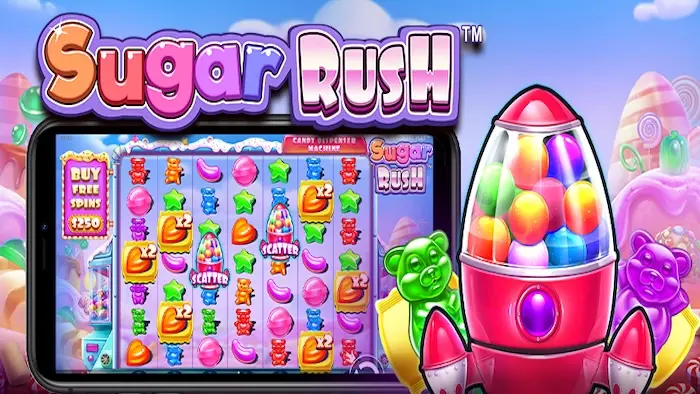





Cluster Pays vs Megaways vs Traditional Paylines
Cluster pays slots are often confused with Megaways, since both move away from fixed lines. The difference is structural. Megaways recalculates the number of symbols per reel on every spin, creating thousands of possible paylines. Cluster pays has no line concept at all wins are simply groups of touching symbols anywhere on the grid. Both formats commonly include cascading or tumble mechanics. Traditional payline slots typically don’t, since the fixed-line structure doesn’t need it. If you’ve enjoyed Megaways titles, cluster pays slots offer a similarly dynamic feel without the variable reel height a more visually settled grid with the same cascade-driven escalation.



18+ only. Terms apply. Please gamble responsibly.
What is RTP in slots?
Why the RTP at your casino may differ from what reviews quote and how to verify before depositing.
How Online Slots Work?
A player needs to understand about what’s actually happening when they spin a online slot
What is Volatility in Slots?
How volatility is engineered into a math model and how to match it to your bankroll before you play.
FAQs
What are cluster pays slots?
Cluster pays slots form wins when 5 or more matching symbols touch each other anywhere on the grid, rather than using fixed paylines. Most cluster pays slots include a tumble or cascade mechanic where winning symbols clear and new ones drop in, potentially chaining multiple wins within a single spin.
Are cluster pays slots high volatility?
Not always. Cluster pays is a win structure, not a volatility rating the two are independent. Our reviewed Candy Rush is low volatility with a 1 in 2.83 hit frequency, while Spark of Creation is high volatility rated 7/10. Always check the specific game’s volatility rather than assuming based on the mechanic alone.
What is the difference between cluster pays and Megaways?
Megaways uses a dynamic reel system that changes the number of symbols per reel every spin, generating thousands of paylines. Cluster pays has no payline concept wins form from groups of touching symbols anywhere on the grid. Both commonly use cascading mechanics, but the underlying win structure is fundamentally different.
Do cluster pays slots always have cascading wins?
Most do, but not all. Cascading or tumble mechanics where winning symbols clear and new ones drop in to potentially chain further wins are extremely common in cluster pays slots since the open grid structure suits chain reactions well. Always check the specific game’s features rather than assuming.
What is a good cluster pays slot for beginners?
Low to medium volatility cluster pays slots with a high hit frequency are the most beginner-friendly, since wins land often enough to keep sessions engaging without long dry stretches. Among our reviewed titles, Candy Rush’s 1 in 2.83 hit frequency and low volatility rating make it a good starting point before moving to higher volatility cluster slots like Spark of Creation or Hammerblaze.
About Author:
My name is Manish, and I’ve spent the last 6+ years working at the heart of the iGaming industry, not only as a reviewer, but as a developer building slot clients for some of the industry’s top providers. Read More→